Multisystem disease with symptomatic variations
Mechanism
- Vaculite sistémica
- Dermatose neutrofílica
- Síndrome autoinflamatório
Apresentação clínica
- Skin/mucous membranes
- Aphthous stomatitis (70%)
- Genital ulcerations (scrotum, penis, vulva)
- Acrofacial vesiculopustules
- Panniculitic erythema nodosum-like lesions
- Pathergy
- Systemic
- Eye findings (90%), most commonly posterior uveitis
- Non-erosive mono or polyarthritis (50%), small joints
- GI disease (if diagnosed IBD, then Behçet’s “excluded”)
- Associations
- Behçet + relapsing polychondritis = MAGIC syndrome (mouth and genital ulcers with inflamed cartilage)
Epidemiology: seen mostly in japanese, middle east and mediterranean
- HLA-B51 association
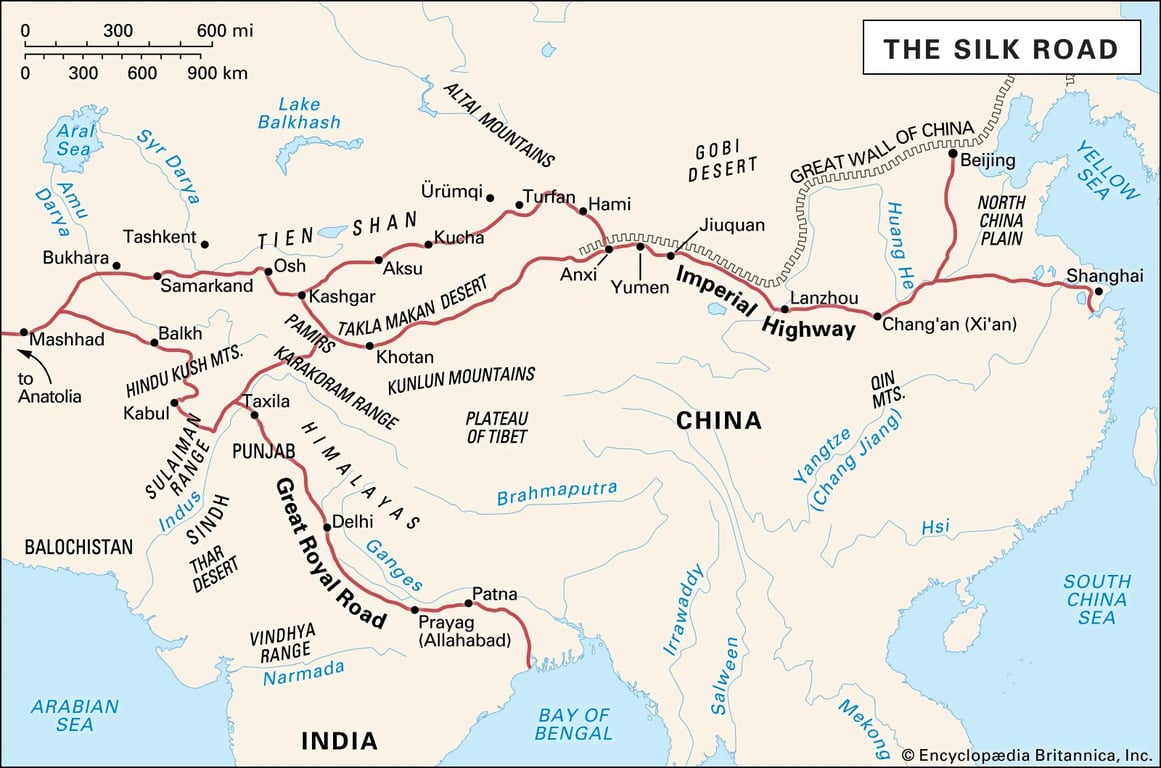
- “Silk road”
- The Silk Road was a network of trade routes that connected the East and West, stretching from the Mediterranean to China. It was used as a trade route for goods such as silk, spices, precious metals, and other luxury items, as well as for the exchange of ideas and cultural practices. The Silk Road played a significant role in cultural exchange and economic development between the regions it connected.
- Behçet is most commonly found in the countries along the Silk Road, such as Turkey, Iran, and Japan
Critérios de diagnóstico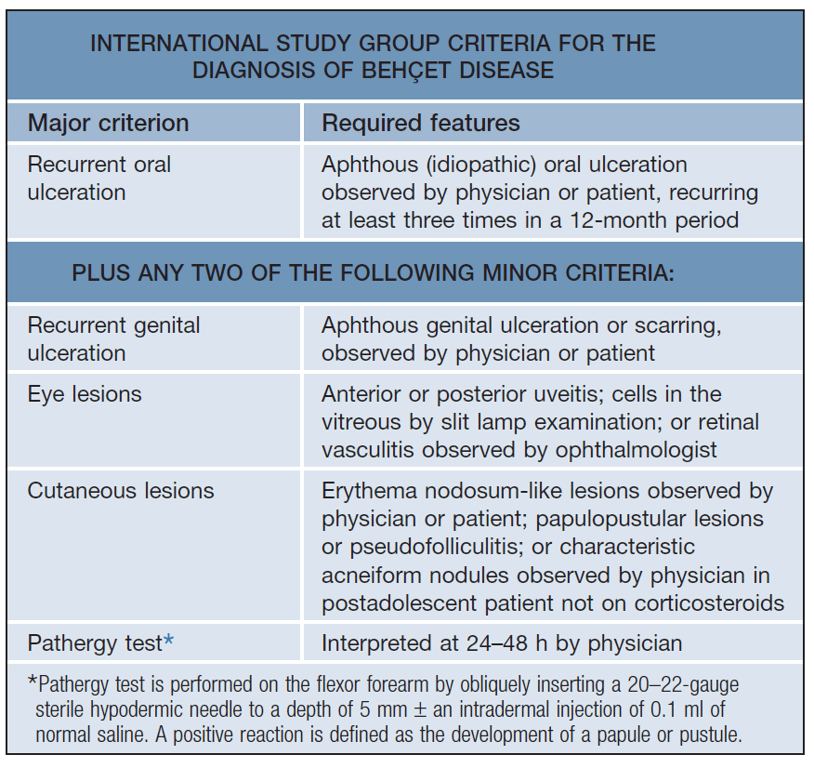
- International Study Group
- Major
- Aphthous oral ulceration occuring at least 3 times in 12 months
- Minor (need 2)
- Recurrent genital ulceration
- Eye lesions: anterior or posterior uveitis, cells in vitreous humps, or retinal vasculitis
- Skin lesions: EN, papulopustules, acneiform lesions
- Pathergy test at 24-48h
Histologia
- Neutrophilic angiocentric infiltrate with leukocytoclastic (early) or lymphocytic (late) vasculitis
- Usually inconclusive
- Mixed findings of vascular injury, neutrophils, lymphocytes, lack of antibodies, and sometimes vasculitis makes categorization difficult
- Rule out HSV
Treatment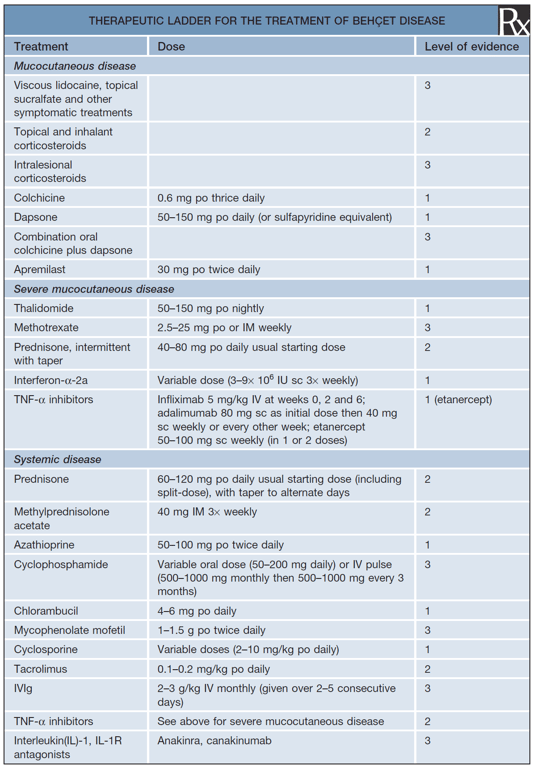
- Aggressive ophthalmology therapy
- Nutritional considerations (because of oral ulcers and possible GI involvement)
- Topical anesthetics
- Same as pyoderma gangrenosum
- Apremilast recently FDA approved
- Inhibits phosphodiesterase 4 (PDE4), which reduces inflammation in the body
 Made with Bullet